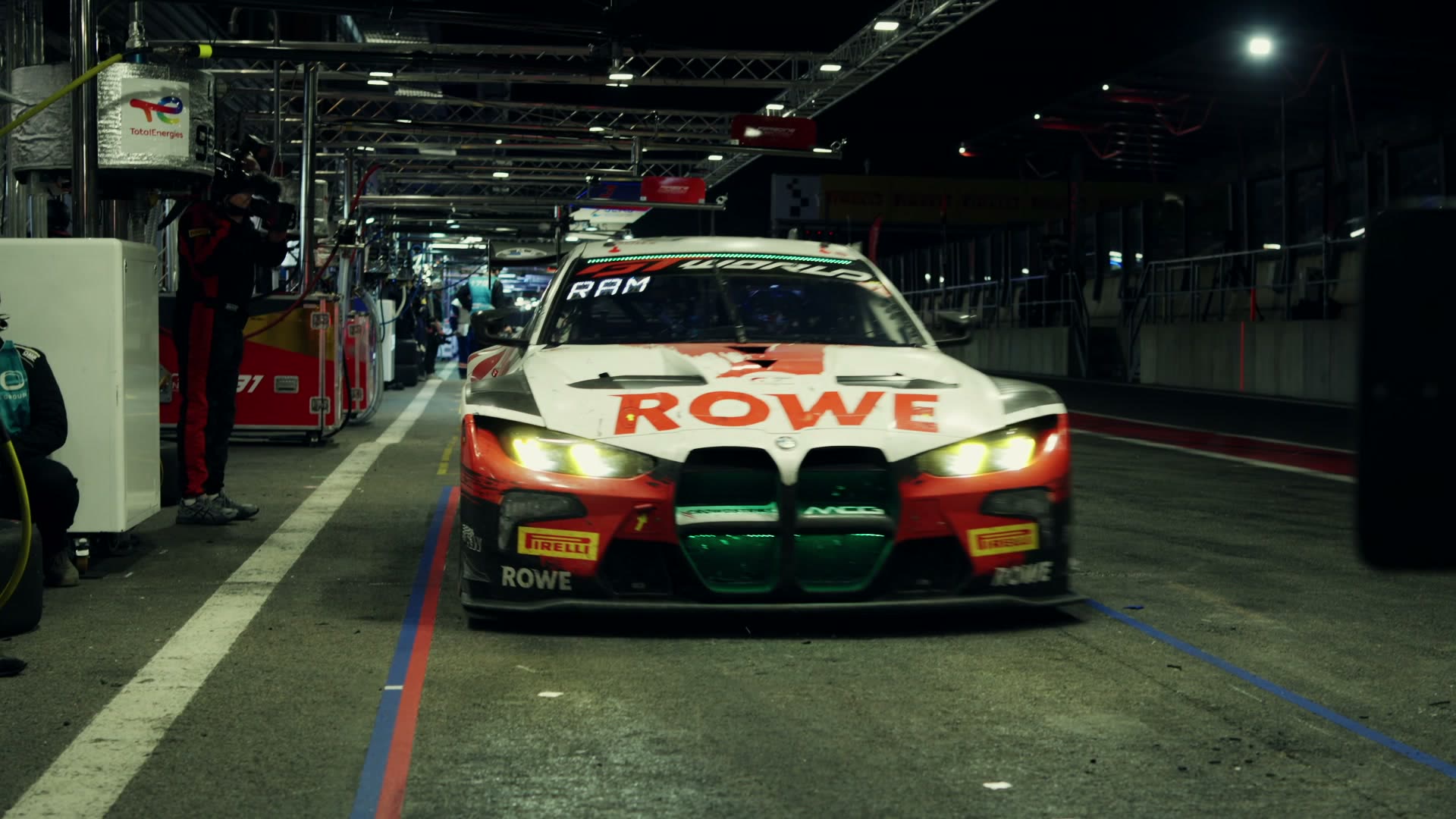
A video is a sequence of photos, but with rules of its own: how many per second, how much blur, how much sound. These are the ones I use at every race.
01Frame rate
25 frames per second is the rhythm of cinema and European television. 50 is smoother and it is what I use most on track.
For slow motion, shoot more frames than you show: shot at 50 and edited at 25 it plays at half speed, shot at 100 it plays at a quarter. In Europe stay on multiples of 25: under 50 Hz lighting it avoids flicker.
02The 180° rule
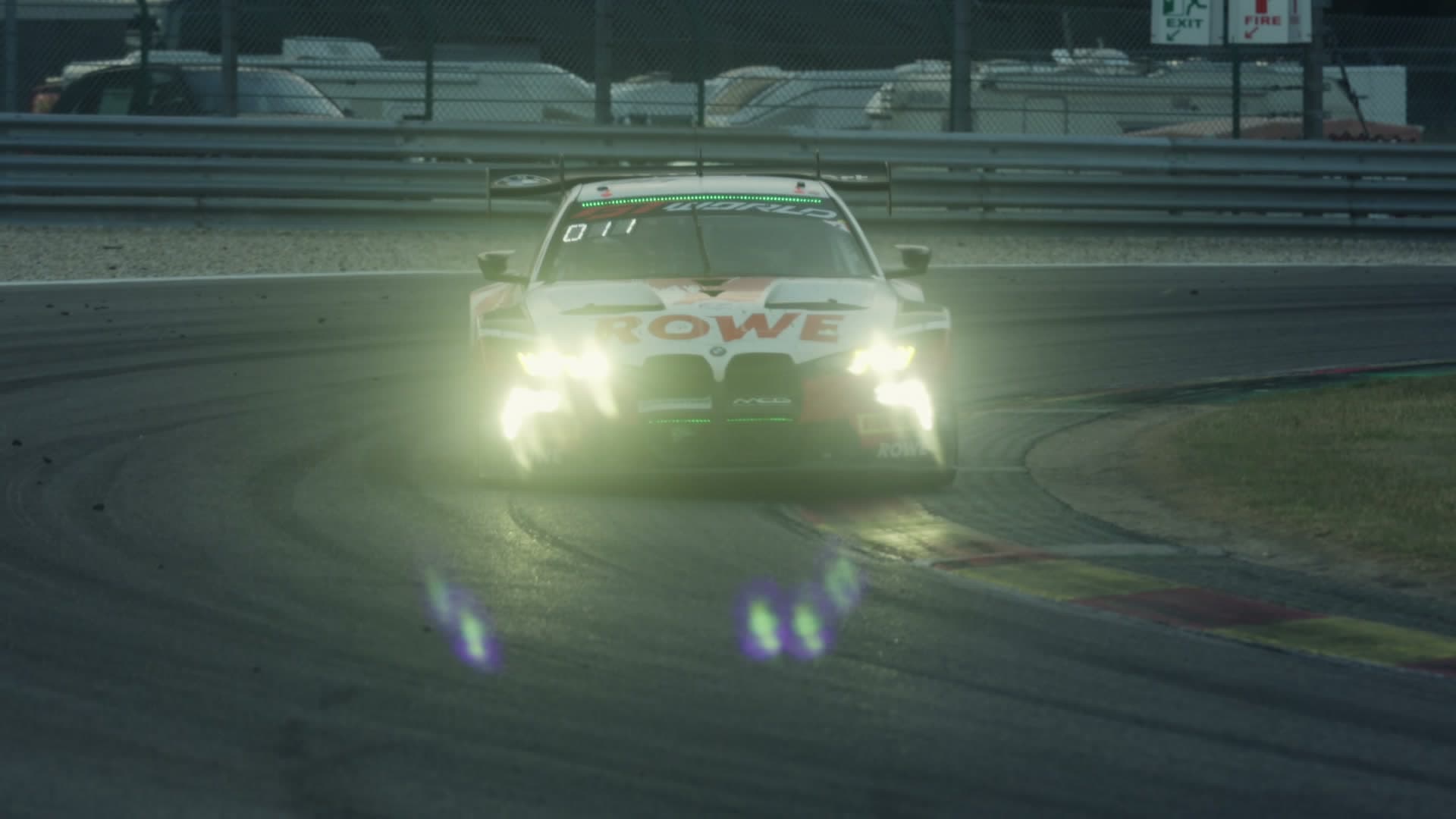
In video, shutter speed is not there to freeze motion, it gives the right amount of blur. The rule: shutter equals 1 over twice the frame rate. At 25 fps use 1/50, at 50 fps use 1/100.
Faster shutters make motion choppy, like a video game. In daylight those speeds let in too much light: that is why you need an ND filter, a dark glass in front of the lens.
- 25 fps → 1/50
- 50 fps → 1/100
- 100 fps → 1/200
03Log profiles
A log profile (S-Log3 on Sony) records a grey, flat image. It looks bad, but it keeps far more detail in highlights and shadows, and in the grade you take it wherever you want.
The price is time in post: every clip has to be graded. If you need to deliver fast, a standard profile is fine. If you shoot log, expose a little brighter than looks right: the noise lives in the shadows.
04White balance and exposure
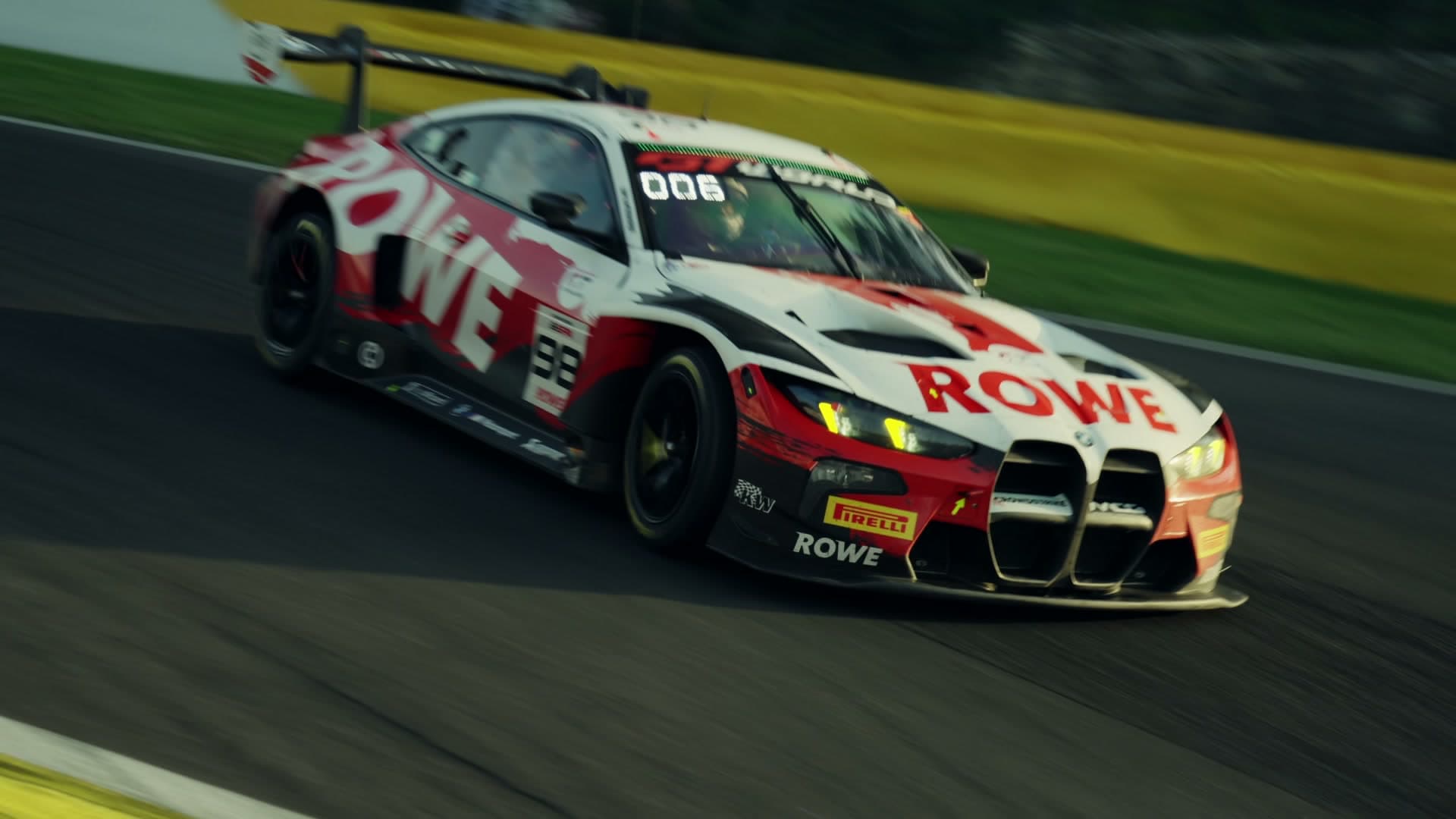
Set white balance manually, not on auto: on auto it shifts from clip to clip, and in the edit your shots no longer match.
For exposure, use zebras or the histogram. A blown sky can't be recovered, a slightly dark shadow can.
05Stability and movement
A shaky image tires the viewer. Tripod or monopod for locked shots, in-body stabilisation for handheld, a gimbal when you want long, smooth moves.
Hold every shot for at least 5 to 10 seconds before moving or stopping: in the edit you need a clean start and a clean end.
06Sound
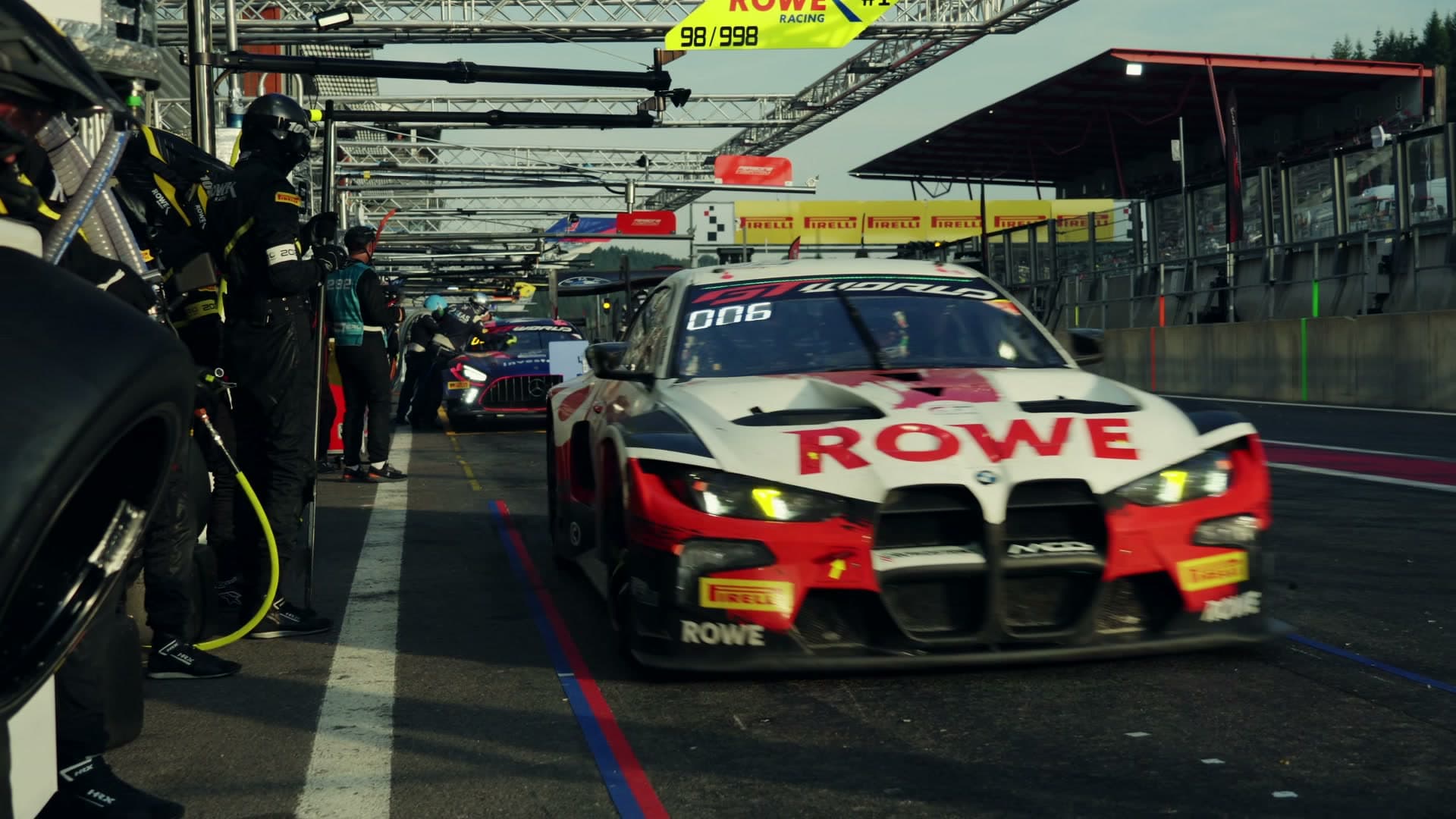
Half of a video is what you hear. The camera's built-in mic records noise and wind: an external mic, even a small one, changes everything.
Always record the real sound: engines, tyres, wheel guns. Even if you add music later, the real sound is what puts the viewer inside the race.
07Shoot for the edit
For every scene shoot at least three framings: a wide one that says where you are, a medium one that tells the action, a detail that makes it felt. Numbers, logos, hands, wheels.
Many short, clean clips beat a few long, shaky ones.
- Wide · medium · detail, for every scene.